
Jun 26, 2026News Center
How to Choose Optical Transceiver: A Practical Guide for Data Centers and Networks
Learn how to choose the right optical transceiver. Compare Original vs compatible, speeds, distance, and fiber types for any network.
How to Choose Optical Transceiver | Original & Compatible Guide for 1G–800G Networks
In today’s high-speed networking environment, choosing the right optical transceiver is no longer a simple task. With multiple form factors, speeds, distances, and compatibility options available, making the wrong decision can lead to performance issues, unnecessary costs, or network downtime.
Whether you are building a data center, upgrading enterprise networks, or working with telecom infrastructure, this guide will help you choose the right optical transceiver based on real-world requirements.
1. Understand Your Network Speed Requirements
The first step is to determine the required data rate of your network.
Common options include:
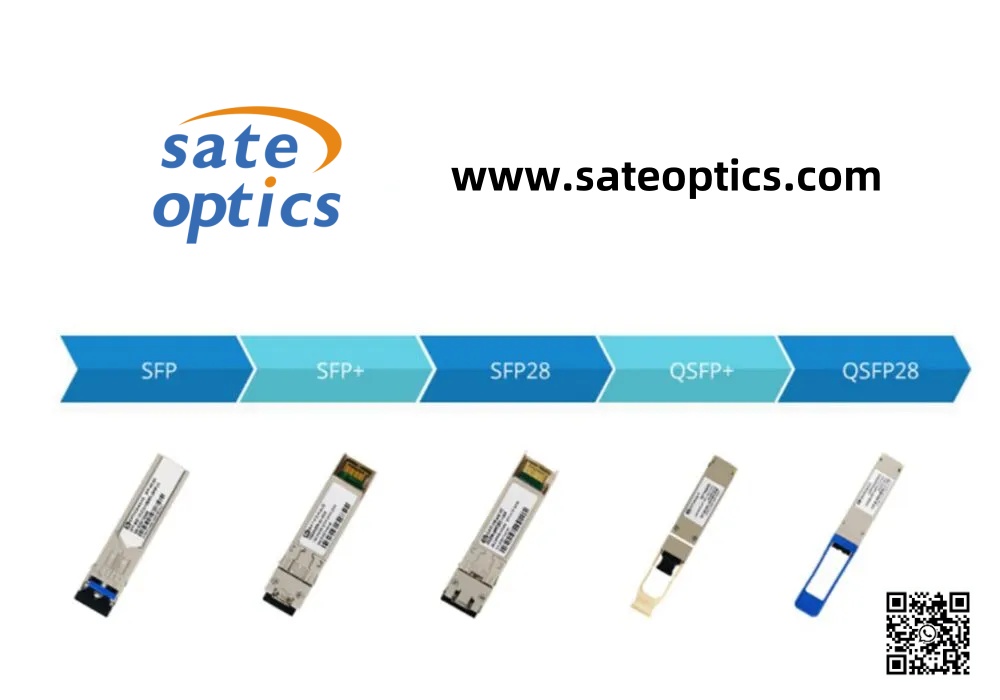
- 1G → SFP
- 10G → SFP+
- 25G → SFP28
- 40G → QSFP+
- 100G → QSFP28
- 400G / 800G → QSFP-DD / OSFP
👉 Choosing a higher speed than needed increases cost, while choosing lower speeds limits scalability.
2. Transmission Distance Matters
Different optical transceivers are designed for different transmission distances:
- Short Range (SR): up to 100–150m (MMF)
- Long Range (LR): up to 10km (SMF)
- Extended Range (ER/ZR): 40km / 80km or more
👉 For example:
- Data centers usually use SR modules
- Metro or telecom networks prefer LR/ER/ZR
3. Fiber Type: Single Mode vs Multi Mode
Choosing the wrong fiber type is one of the most common mistakes.
- Multimode Fiber (MMF)
- Lower cost
- Short distance
- Used inside data centers
- Single Mode Fiber (SMF)
- Longer distance
- Higher precision
- Used for telecom / long-haul
👉 Always match the transceiver with your fiber infrastructure.
4. Compatibility with Your Equipment
Different brands often lock their devices to specific modules.
For example, switches from Cisco, Juniper Networks, or Huawei may require compatible coding.
You have two main options:
- Original Transceivers
- 100% brand new
- Higher price
- Compatible (Third-Party) Transceivers
- Fully tested for compatibility
- 30–70% cost savings
- Flexible supply
👉 Reliable suppliers ensure strict testing to guarantee performance equal to Original modules.
5. Form Factor and Interface
Different devices support different module sizes:
- SFP / SFP+ / SFP28 → compact, widely used
- QSFP series → higher density, used for 40G+
- QSFP-DD / OSFP → ultra-high speed (400G/800G)
👉 Always check your switch or router port specifications before purchasing.
6. Application Scenarios
Your use case directly impacts your choice:
- Data Centers → High density, short distance (SR, DAC, AOC)
- Enterprise Networks → Mixed environments (SR + LR)
- Telecom Networks → Long distance, high stability (LR/ER/ZR, DWDM)
7. Reliability and Quality Assurance
A good optical transceiver should offer:
- Stable performance under high load
- Low failure rate
- Compatibility testing
- Temperature and stress testing
👉 Poor-quality modules may cause packet loss or link failure.
8. Cost vs Performance: Finding the Balance
Many buyers assume Original is always better—but that’s not always true.
Compatible optical transceivers today can deliver:
- Same performance
- Same compatibility
- Much lower cost
👉 The key is choosing a trusted supplier with proven testing standards.
FAQ
Q1: Are compatible optical transceivers safe to use?
Yes. High-quality compatible modules are rigorously tested and can match Original performance.
Q2: How do I know if a transceiver is compatible with my switch?
Check your device model and request compatibility confirmation from your supplier.
Q3: Can I mix Original and compatible modules?
Yes, as long as both meet compatibility requirements.
Q4: What is the most common mistake when choosing a transceiver?
Choosing the wrong distance or fiber type.
Final Thoughts
Choosing the right optical transceiver is about balancing performance, compatibility, and cost. By understanding your network requirements and working with a reliable supplier, you can build a stable and cost-efficient network.
🔥 CTA
Still not sure which optical transceiver fits your network?
👉 We provide both Original and fully compatible optical transceivers
👉 Support for 1G to 800G solutions
👉 Fast delivery + strict compatibility testing
👉 Customized solutions for data centers, telecom, and enterprise networks
👉 Contact us today to get a tailored solution for your project.