
Jun 26, 2026News Center
📡 What Are Switches, Routers, and Firewalls Used for in Telecom Networks?
Switches vs Routers vs Firewalls
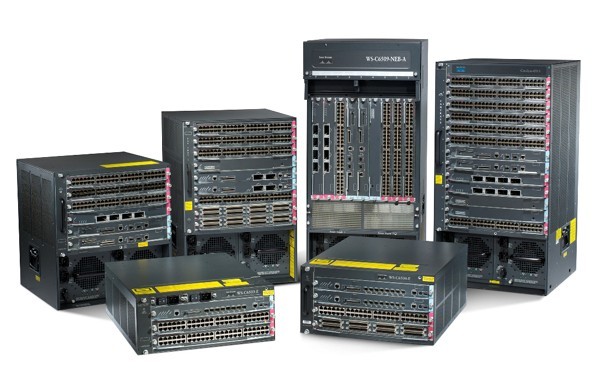
In modern telecommunication (Telecom) networks, massive amounts of data must be transmitted securely, reliably, and with low latency. To achieve this, three core networking devices play irreplaceable roles: switches, routers, and firewalls.
This article explains what each device does, how they are used in telecom environments, and why they are critical to carrier-grade networks.
🔹 1. What Are Switches Used for in Telecom?
✔ Core Function
A network switch connects multiple devices within the same network and forwards data based on MAC addresses.
✔ Role in Telecom Networks
In telecom infrastructure, switches are widely deployed in:
- Access networks (connecting base stations, access nodes)
- Aggregation networks (collecting traffic from multiple access points)
- Data centers supporting telecom services
- Metro Ethernet (MEF) networks
✔ Key Benefits
- High-speed data forwarding (10G / 25G / 100G / 400G)
- Low latency and high throughput
- VLAN segmentation for traffic isolation
- Support for redundancy and high availability
✔ Typical Use Cases
- Connecting base stations (BTS / NodeB / gNodeB)
- Aggregating traffic from FTTH / FTTx access equipment
- Supporting cloud-based telecom applications
🔹 2. What Are Routers Used for in Telecom?
✔ Core Function
A router connects different networks and forwards data based on IP addresses, selecting the optimal path for data transmission.
✔ Role in Telecom Networks
Routers are the backbone of telecom networks, used in:
- Core networks
- IP/MPLS networks
- International and long-distance transmission
- Internet gateways
✔ Key Benefits
- Intelligent routing and traffic engineering
- Support for MPLS, BGP, OSPF, IS-IS
- Quality of Service (QoS) for voice and video
- Carrier-grade scalability and reliability
✔ Typical Use Cases
- Routing traffic between cities, countries, and continents
- Supporting VoIP, IPTV, and mobile core services
- Managing large-scale subscriber traffic
🔹 3. What Are Firewalls Used for in Telecom?
✔ Core Function
A firewall protects networks by monitoring, filtering, and controlling traffic based on security rules.
✔ Role in Telecom Networks
Telecom networks are high-value targets. Firewalls are essential for:
- Protecting core and edge networks
- Securing data centers and cloud platforms
- Defending against cyberattacks
✔ Key Benefits
- Prevents unauthorized access
- Protects against DDoS, malware, and intrusion
- Supports VPN and encrypted communication
- Ensures compliance with telecom security standards
✔ Typical Use Cases
- Securing mobile core networks
- Protecting telecom data centers
- Isolating management and signaling networks
🔹 4. How Switches, Routers, and Firewalls Work Together in Telecom
In a real telecom environment, these devices work as an integrated system:
- Switches handle high-speed local data forwarding
- Routers manage long-distance and cross-network communication
- Firewalls ensure security and traffic control
Together, they enable:
- Reliable voice and data transmission
- Secure mobile and broadband services
- Stable operation of carrier-grade networks
🔹 5. Why High-Quality Networking Equipment Matters in Telecom
Telecom operators require equipment that offers:
- Carrier-grade reliability
- High performance and scalability
- Strong security
- Long-term supply and technical support
Choosing the right switches, routers, and firewalls directly impacts network stability, user experience, and operational cost.
✅ Conclusion
Switches, routers, and firewalls are the foundation of telecom networks. Each plays a unique role, but together they ensure fast, secure, and reliable communication across global networks.
As telecom services continue to evolve toward 5G, cloud, and data-driven architectures, the importance of robust networking infrastructure will only grow.